
Algarve Gastronomy Guide: This guide will help you choose the perfect coffee adventure.
The Algarve is famous for beaches, cliffs, sunshine, and whitewashed coastal towns. However, its food deserves equal attention. Local cooking reflects fishing traditions, fertile countryside, and centuries of cultural exchange. Fresh seafood meets almonds, figs, citrus, herbs, and carefully grilled meats. This Algarve Gastronomy Guide introduces the region’s most memorable dishes. It also explains where local flavors originate.
You will discover seafood classics, countryside recipes, sweets, and traditional drinks. Our local experts also suggest meaningful culinary experiences.
The Atlantic Ocean strongly shapes food across the Algarve. Fresh fish and seafood remain central ingredients throughout coastal towns. Sardines, clams, octopus, prawns, squid, and razor clams appear frequently. Fishermen supply restaurants and markets with seasonal catches.
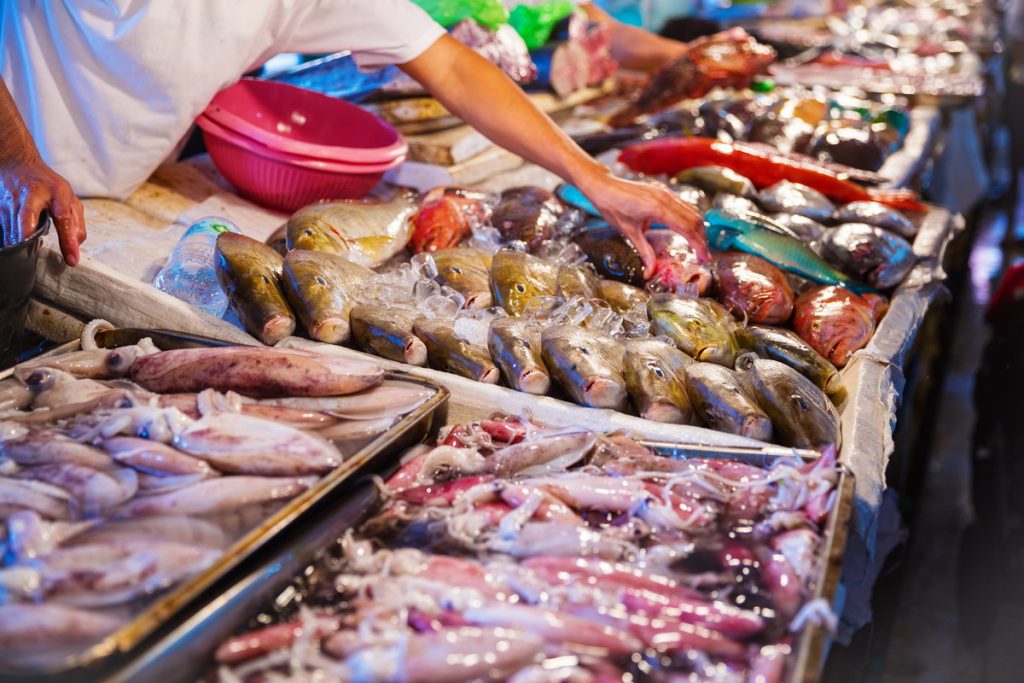
The inland Algarve contributes different flavors. Local kitchens use pork, chicken, wild herbs, beans, and vegetables. Almonds, figs, oranges, and carob feature prominently within regional desserts. Olive oil, garlic, coriander, and tomatoes create familiar savory foundations.
Traditional Algarve cuisine feels simple, seasonal, and strongly connected with place. Recipes often rely on excellent ingredients rather than complicated presentation.

Cataplana names both a cooking vessel and the dish prepared inside. Its hinged metal halves close tightly during cooking. This design traps steam, aromas, moisture, and natural flavor. Ingredients cook gently without losing their essential character. Traditional versions often combine clams, prawns, fish, tomatoes, peppers, and onions. Some recipes add pork, sausage, potatoes, or white wine.
The vessel’s design has historical links with Arabic influence. Copper cataplanas remain especially recognizable across Algarve restaurants. Opening the lid creates a memorable dining moment. Fragrant steam immediately rises above the shared table. Cataplana belongs among the most typical Algarve dishes. Try seafood versions near coastal fishing communities.


Grilled sardines represent one of Portugal’s simplest summer pleasures. They taste especially good during warmer months.
The fish is usually seasoned with coarse salt. It then cooks directly above hot charcoal. Restaurants often serve sardines with bread, potatoes, salad, or roasted peppers. Their oils soak beautifully into thick Portuguese bread. Portimão remains particularly associated with sardine traditions. Its annual summer festival celebrates this beloved local food. Choose restaurants displaying fresh daily catches. Sardines taste best when preparation remains uncomplicated.

Frango da Guia is Algarve-style grilled chicken. It became famous around Guia, near Albufeira. Small chickens are grilled above charcoal until crisp. Spicy piri-piri sauce adds heat and strong flavor. Restaurants usually serve the chicken with chips and a simple salad. Portions often arrive already cut into small pieces. Every restaurant protects its own sauce recipe. Some versions taste mild, while others feel surprisingly fiery. Frango da Guia offers an affordable break from seafood. It remains among the best traditional food in the Algarve.

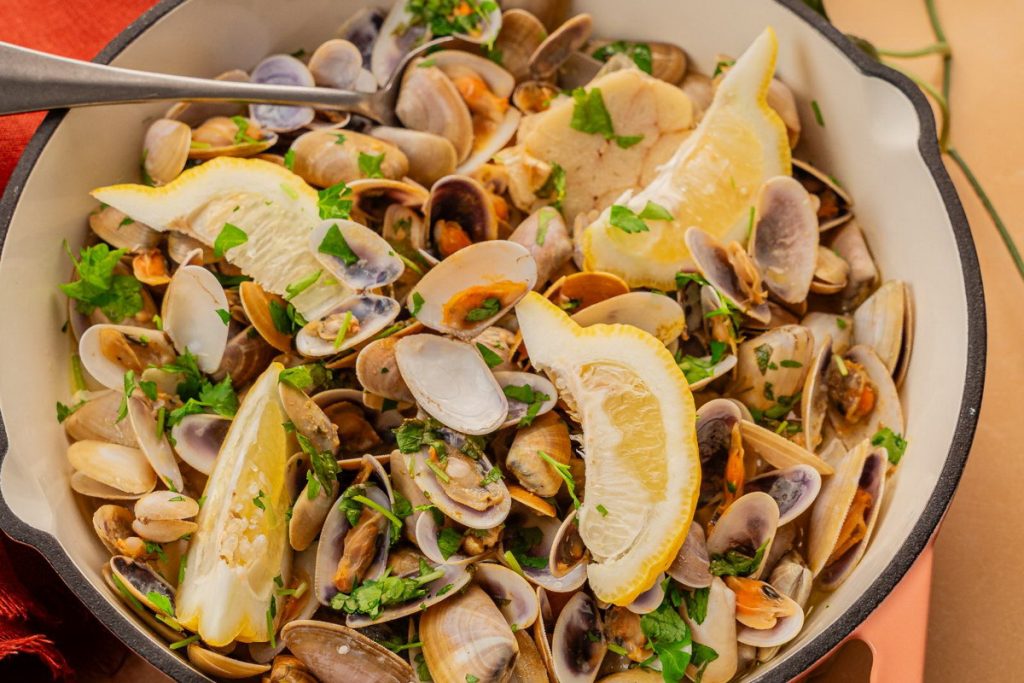
Conquilhas are small shellfish found along sandy Algarve waters. They offer delicate flavor and a gentle salty sweetness. Cooks usually prepare them with garlic, olive oil, coriander, and lemon. White wine may also enrich the cooking sauce. The shellfish open quickly inside a hot covered pan. Their juices blend with herbs and fragrant olive oil. Bread remains essential for enjoying the remaining sauce. This dish works perfectly as a starter or shared snack. Conquilhas à Algarvia showcases authentic Algarve food through simple local ingredients. Availability can depend on season and responsible harvesting.
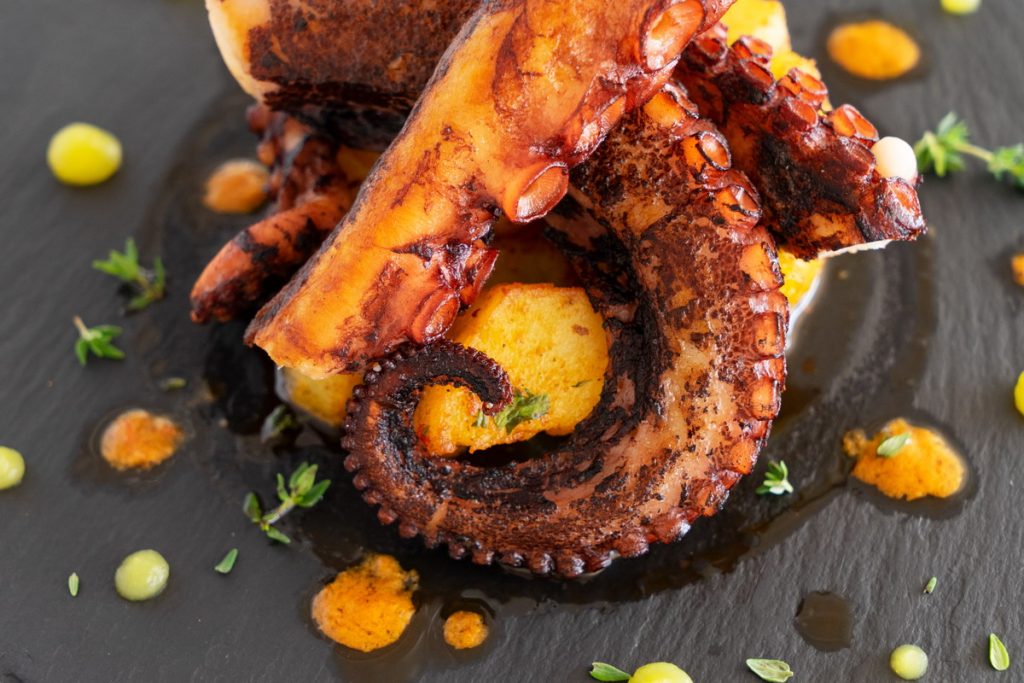
Santa Luzia, near Tavira, is strongly associated with octopus fishing. Local menus offer several traditional preparations. Polvo à lagareiro features roasted octopus with garlic and olive oil. Potatoes usually accompany the tender tentacles. Octopus rice offers another comforting option. Tomatoes, onions, herbs, and cooking juices enrich the dish. Some restaurants also serve grilled octopus. The best versions remain tender inside and lightly charred outside. Ask about the day’s preparation before ordering. Freshness and careful cooking greatly influence the final texture.
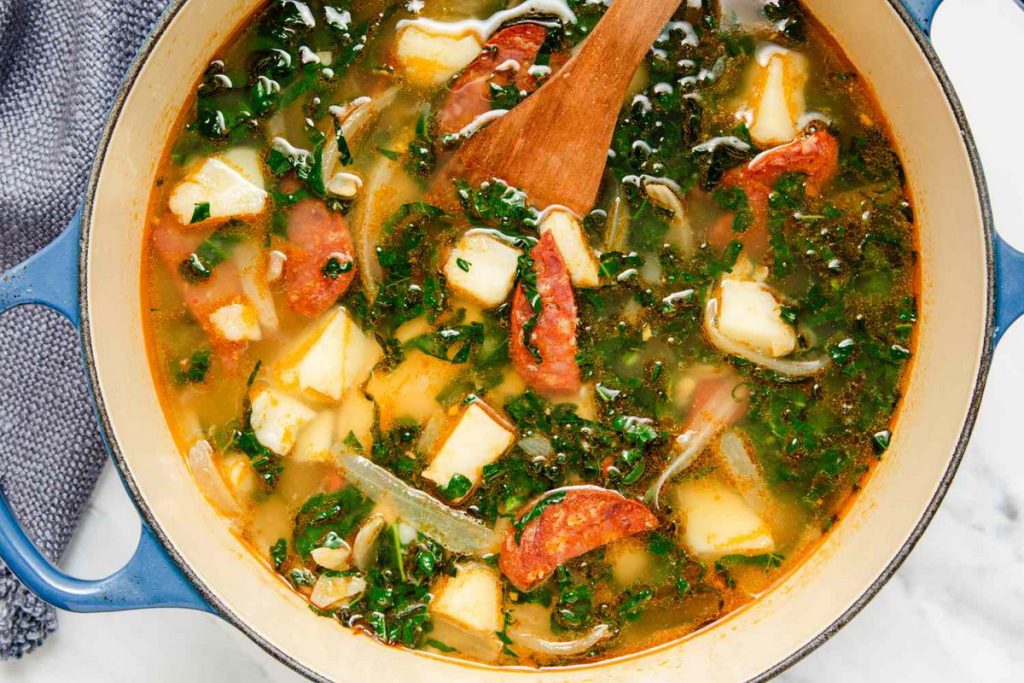
Traditional soups offer a quieter side of regional cooking. They frequently use bread, vegetables, shellfish, or wild herbs. Fish soup can include tomatoes, onions, garlic, and fresh coastal catches. Bread helps transform broth into a complete meal. Conquilhas also appear inside light shellfish soups. Inland kitchens may prepare cabbage, bean, or purslane recipes. Soup remains especially comforting outside peak summer. It also provides an affordable introduction to local flavors.
Dom Rodrigo is among the Algarve’s most recognizable traditional sweets. Colorful metallic wrappers make it immediately distinctive. The recipe includes egg yolks, sugar, almonds, and fios de ovos. Cinnamon may add warmth and aromatic depth. Its sweetness feels rich and concentrated. One small portion usually provides plenty of flavor. The dessert reflects Portuguese conventual pastry traditions. Almonds connect it strongly with Algarve agricultural heritage. Dom Rodrigo also carries protected regional cultural significance. Look for handmade versions inside traditional pastry shops.

Almonds grow abundantly across the Algarve. They appear inside cakes, marzipan sweets, biscuits, and filled pastries. Figs are enjoyed fresh, dried, or combined with almonds. Some traditional sweets shape this mixture into small cakes. Carob provides a deep, cocoa-like flavor. It often appears inside cakes, tarts, and modern desserts. Many recipes combine all three ingredients. These desserts capture the landscape through naturally regional products. Try morgadinhos, almond tarts, fig cheeses, and carob cakes. Small pastry shops often provide the most traditional selection.

Medronho is a strong spirit made from strawberry-tree fruit. It remains particularly connected with the inland Algarve.
Small producers traditionally ferment and distill the ripe fruit. The finished drink tastes powerful, warming, and aromatic.
Drink it slowly after a meal. Homemade versions can vary considerably in strength. Algarve wines provide softer pairing options. Regional whites suit fish, shellfish, and lighter cataplanas. Rosé pairs well with grilled dishes and summer lunches. Local reds complement pork, chicken, and richer meat recipes.

My Portugal Moments is a local boutique destination management company. Our team works directly with trusted Portuguese partners. We personally evaluate experiences before recommending them. This includes checking quality, organization, service, and overall value. Local knowledge helps us match experiences with each traveler. Families, couples, groups, and companies often require different formats. We also confirm availability and practical arrangements directly. This reduces misunderstandings and unnecessary booking problems. Our Algarve Gastronomy Guide reflects genuine regional experience. We help visitors discover food beyond crowded tourist areas.

"Do not limit Algarve dining to hotel restaurants. Explore markets, fishing towns, countryside kitchens, and family-run establishments. Ask about daily fish and seasonal ingredients. The simplest preparations often reveal the strongest regional flavors. Try at least one seafood dish and one traditional dessert. Add a cooking class for deeper cultural understanding. This Algarve Gastronomy Guide offers an excellent starting point. My Portugal Moments can help personalize your culinary journey."
Darya Trus, My Portugal Moments Travel Expert

It combines fresh seafood, grilled fish, meats, vegetables, almonds, figs, and citrus. Recipes reflect coastal and inland traditions.
The Algarve is famous for cataplana, grilled sardines, seafood rice, and Frango da Guia. Almond and fig desserts are also popular.
Cataplana is a hinged metal cooking vessel. It also names dishes prepared inside that vessel.
The Algarve has long fishing traditions and extensive Atlantic coastline. Seafood therefore shapes everyday regional cooking.
Popular dishes include cataplana, grilled fish, sardines, razor clam rice, and xarém. Frango da Guia is another regional favorite.
Post Tags :
Share :