
The difficult question is where to take your class. Should you choose historic Lisbon or the sunny Algarve?
Every traveler to Portugal eventually discovers pastéis de nata. Their crisp pastry and creamy custard are difficult to forget. Tasting them is wonderful, but baking them feels even more special. You learn the technique, history, and small details behind every tart.
The difficult question is where to take Pastel de Nata Cooking Class. Should you choose historic Lisbon or the sunny Algarve?
Both destinations offer excellent workshops, but their atmosphere feels very different. This guide compares locations, techniques, and overall experience.
Lisbon feels energetic, historic, and closely connected with Portuguese baking traditions. The city offers many professional studios and experienced local instructors. A Lisbon workshop usually focuses on the classic recipe. You learn traditional techniques linked with Portugal’s monastic baking heritage.
Many classes use professional, high-temperature ovens. These ovens create the blistered custard and crisp pastry texture. The atmosphere is usually lively and urban. You may cook beside travelers from several different countries.
A Lisbon Pastel de Nata Cooking Class often feels structured and dynamic. Classes usually follow a clear schedule and traditional preparation process.
You can expect detailed explanations about dough, custard, and oven temperature. Some instructors also discuss the pastry’s history and cultural importance. Lisbon is ideal for culinary purists. It also suits travelers interested in Portuguese history and traditional city life. Choose Lisbon when you want the classic starting point. It offers the most recognizable version of this famous Portuguese pastry.
The Algarve offers a completely different atmosphere. Classes usually feel slower, smaller, and more relaxed.
A Pastel de Nata cooking class Algarve experience fits naturally into a beach holiday. You can bake in the morning and swim afterward.
Some workshops take place inside rural farmhouses or peaceful local kitchens. Others use bright studios near coastal towns. This setting often makes the experience more personal. Smaller groups allow additional conversation and instructor support.
The Algarve may also introduce local ingredients. Algarvian oranges can replace standard lemon flavoring in some recipes.
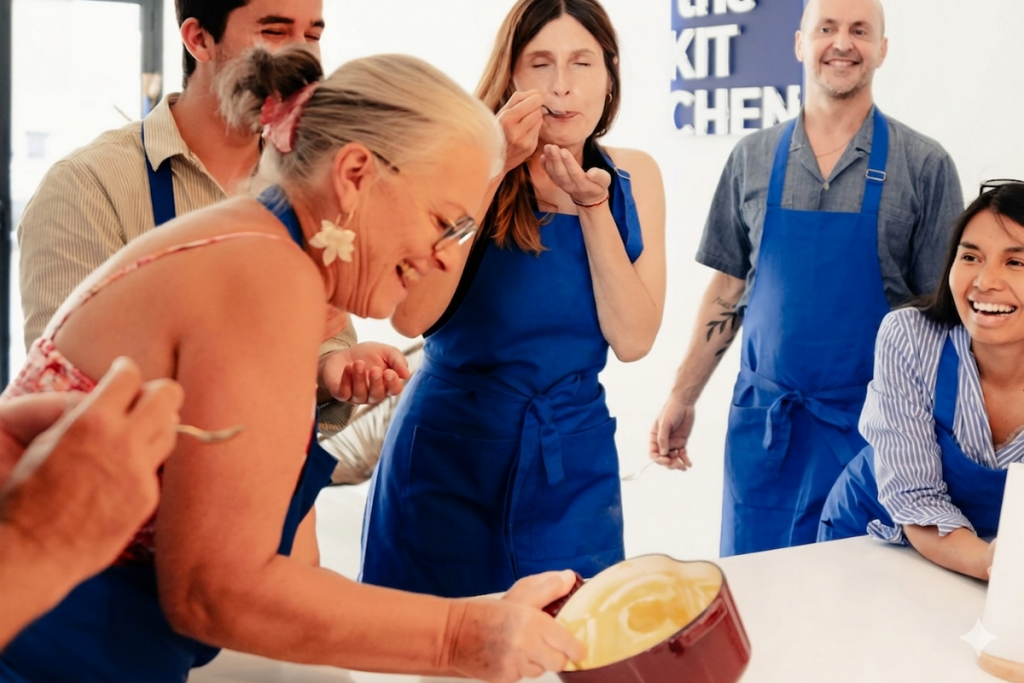
This regional touch creates a subtle southern character. It also connects the workshop with local farming traditions.
A Pastel de Nata class Algarve can feel more immersive than commercial. The experience becomes part of your holiday rhythm.
You are not rushing between museums or city attractions. You can simply enjoy cooking, tasting, and meeting local hosts.
Lagos is one of the Algarve’s most popular coastal towns. It combines beautiful beaches, history, and an active restaurant scene.
A Pastel de Nata cooking class Lagos experience suits western Algarve visitors. It works well for couples, families, and groups of friends.
You can pair your workshop with a coastal walk. You can also add a boat trip or relaxed local lunch. This combination makes Lagos an attractive option. It offers culture without interrupting your beach holiday.


Faro offers another excellent Algarve option. The city feels authentic, calm, and less resort-focused. A Pastel de Nata cooking class Faro experience suits eastern Algarve travelers. It also works well before visiting the Ria Formosa.
Faro provides local city character without Lisbon’s faster pace. You still enjoy culture, architecture, and Portuguese food traditions.
Classes around Faro may feel especially intimate. Smaller groups often create a warm and friendly atmosphere. You can combine the workshop with Faro’s historic center. Another option is an afternoon trip into the lagoon.


Lisbon normally emphasizes the classic Portuguese recipe. It often focuses strongly on professional bakery techniques.
You may work with very hot ovens. You also learn how bakeries achieve caramelized custard surfaces.
The Algarve usually teaches the same core recipe. However, some workshops introduce local citrus or regional ingredients. These changes do not replace traditional methods. They simply add a gentle Algarve identity.
Culinary traditionalists may prefer Lisbon. Curious travelers may enjoy the Algarve’s regional variation.

Lisbon classes can attract larger international groups. Popular studios may become busy during peak months. This creates a social and energetic atmosphere. However, instructor attention may sometimes be more limited.
Algarve workshops often use smaller groups or fully private groups. This usually creates more personal interaction and practical support. Smaller classes are useful for families and beginners. They also work well for private celebrations.
Always confirm maximum group size before booking. Group numbers can significantly affect your overall experience.

Choose Lisbon when you are only visiting the capital. It offers convenience, history, and strong traditional techniques.
Lisbon also suits travelers who enjoy dynamic city energy. It provides many schedules and central workshop locations.
Choose the Algarve for a relaxed holiday experience. It offers smaller classes and peaceful coastal surroundings. The Algarve also suits travelers avoiding heavy tourist crowds. It blends cultural activity with beach time beautifully.
Neither choice is automatically better. Your ideal destination depends on your itinerary and personal expectations. A good Pastel de Nata Cooking Class should feel practical and enjoyable. It should also provide clear instruction and real participation.

My Portugal Moments personally checks every recommended cooking studio. Our team visits and evaluates partners across Portugal.
We have tested workshops in both Lisbon and the Algarve. This gives us direct knowledge of each experience. We check quality, organization, group size, and instructor approach. We also compare locations and practical booking arrangements.
Our recommendations are based on real local experience. They are not based only on online listings. This personal verification helps us match travelers with suitable workshops.
Couples, families, and companies often need different formats. We can recommend a traditional Lisbon workshop. We can also arrange a relaxed Algarve experience. Bookings are available through My Portugal Moments. Our team confirms availability directly with trusted local partners. You can reserve the Lisbon experience through our website. Algarve bookings are also available online.

Lisbon offers history and classic urban techniques. The Algarve offers smaller groups and relaxed coastal settings.
Yes, all classes welcome complete beginners. Instructors explain every stage clearly and provide practical support.
Yes, but home ovens produce slightly different results. Instructors usually explain suitable temperature and baking adjustments.
Traditional recipes contain gluten, dairy, and eggs. It will be difficult to find solutions if you have some dietary restrictions.
The quantity depends on the workshop format. Most classes provide enough pastries for tasting and sharing (approx. 2-3 per person).
Prices depend on location, group size, and inclusions. Private workshops usually cost more than shared classes. In 2026 Lisbon class cost from 59 EUR per person. In Algarve this price starts from 75 EUR per person.
Many classes welcome children with accompanying adults. Usually it is from 6 years old. Minimum ages and safety rules vary between providers.
Book two or three weeks ahead during peak season. Private groups may require earlier reservations.
Many classes include coffee, tea, juice, or water. Some workshops also provide Port wine or local drinks.